Tile surface treatments - Grip-It T anti-slip, Strip-It sealer remover and Condense Plus

Surface Treatments

Products that change what a surface does rather than just clean it: anti-slip treatment for slippery floors, sealer strippers, grout release for porous tiles and a stone hardener.

Read more

Filters

Sort by:

5 products

Condense Plus — Sealers Plus
Condense Plus Sale price$282.00
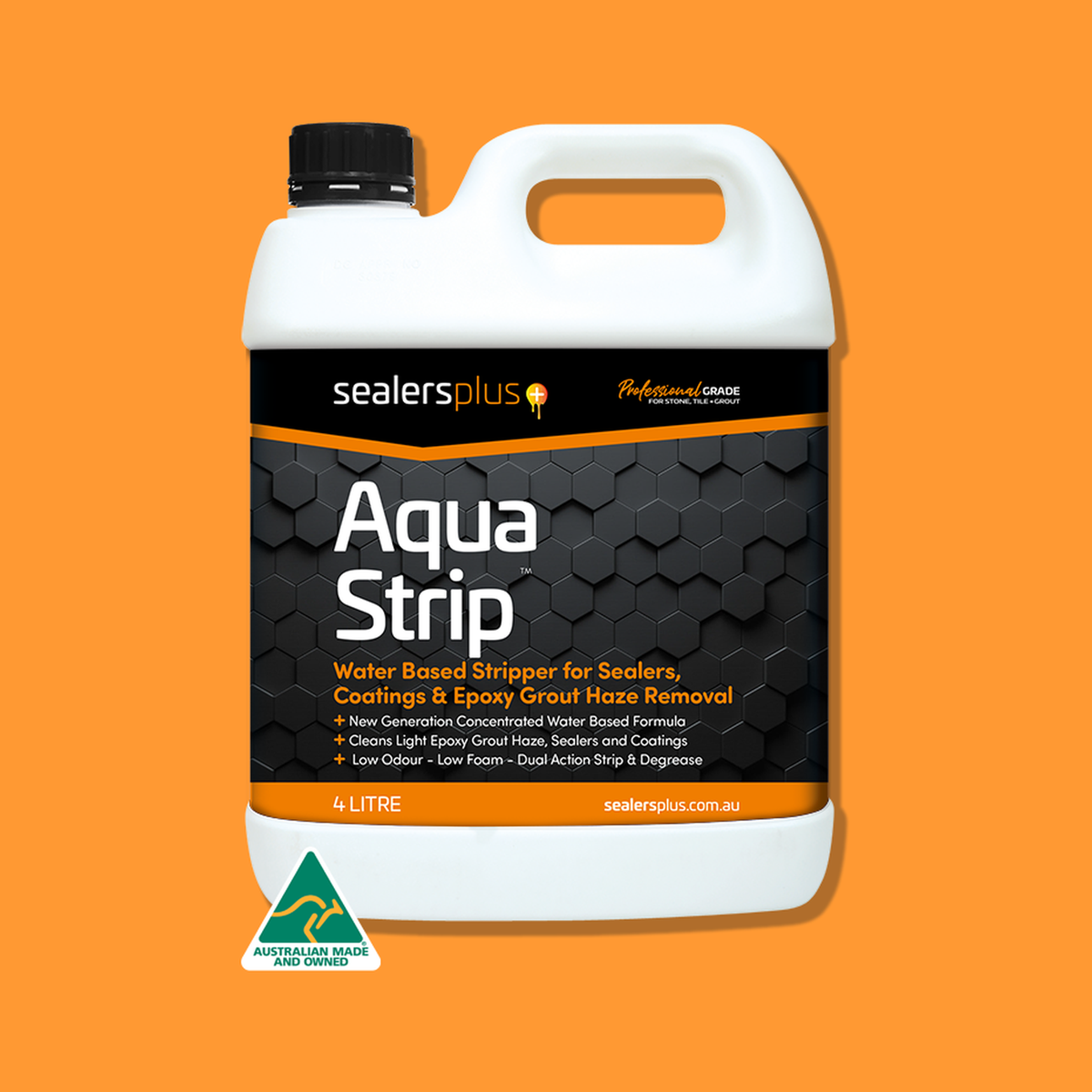
Aqua Strip — Sealers Plus
Aqua Strip Sale priceFrom $76.00
Grout Release+ — Sealers Plus
Grout Release+ Sale priceFrom $63.00
Strip-It — Sealers Plus
Strip-It Sale priceFrom $85.00
Grip-It T Anti-Slip Tile Treatment — Sealers Plus

Products that change what a surface does rather than just clean it: anti-slip treatment for slippery floors, sealer strippers, grout release for porous tiles and a stone hardener.

Four jobs, one collection

Each of these Sealers Plus products solves a specific problem.

  • Grip-It T anti-slip treatment: adds grip to a tile floor that is too slippery when wet.
  • Strip-It and Aqua Strip: sealer strippers that take an old or failing sealer back to bare stone before resealing.
  • Grout Release+: applied to a porous tile face before grouting, so a dark grout does not stain it.
  • Condense Plus: a stone hardener for stone that has started to break down.

Making a slippery floor safer

A polished or glossy tile can be slippery when wet, especially in bathrooms, entries and around pools. An anti-slip treatment works on the tile surface to increase grip. It can change how a tile looks or feels, so test it on a spare tile or a hidden corner first. If you are still choosing tiles, it is simpler to start with a slip-rated tile: P3 suits most indoor floors, and P4 or P5 suits wet areas and outdoors. See anti-slip tiles and outdoor tiles.

Stripping and resealing

Sealers wear, and a patchy or cloudy sealer needs to come off before a new one goes on. A sealer stripper breaks the old coat down so it can be scrubbed and rinsed away. Let the surface dry fully, then reseal with a product from sealers, using a proper applicator.

Before grouting and after weathering

Grout release is a tiler's tool. Natural stone, tumbled travertine and unglazed tiles can soak up pigment from a dark grout. A coat of grout release before grouting makes clean-up easier and keeps the tile face its true colour.

Stone hardener is for old or soft stone, such as sandstone that has started to crumble or dust on the surface. It helps firm up the surface before sealing. See sandstone tiles and natural stone.

FAQs

Will an anti-slip treatment change how my tiles look?

It can, depending on the tile and the finish. Gloss tiles may lose some of their shine. Test it on a spare tile or a hidden corner and check the result once dry before you treat the whole floor.

When do I need a sealer stripper?

When an old sealer has gone patchy or cloudy, or when you want to switch to a different sealer. Stripping takes the surface back to bare stone so the new sealer can soak in evenly.

What is grout release used for?

It is applied to a porous tile or stone face before grouting. It stops dark grout pigment soaking into the surface and makes the haze easier to wash off. It is most useful with tumbled stone, unglazed tiles and contrasting grout.

Can a hardener fix crumbling sandstone?

A stone hardener can firm up a surface that has started to dust or break down, as long as the stone is still sound underneath. Badly damaged stone may need replacing. Ask us before you treat a large area.

Not sure which one you need? Tell us the surface and the look you are after and we will match the right sealer, cleaner and applicator.