Design Studio 407 | Earlwood — Design Tiles project

Pavers & Pool Coping

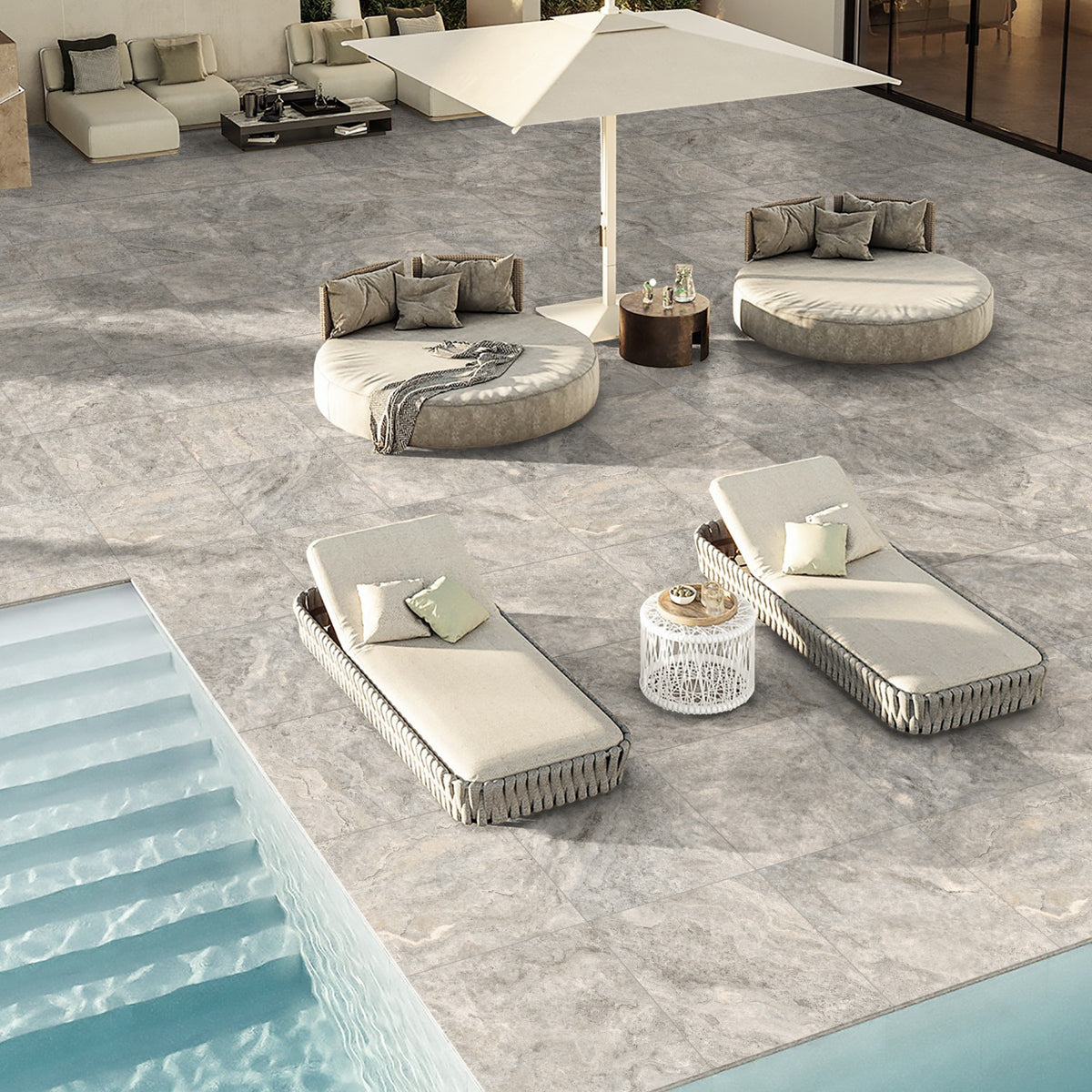
Outdoor pavers, pool coping and bullnose tiles in 20 mm porcelain and natural marble and limestone, for patios, paths, pool surrounds and step edges.

Filters

Sort by:

44 products

Coral Limestone Pool Coping
Coral Limestone Pool Coping Sale priceFrom $143.90 each
Classico Porcelain Pool Coping Sale price$65.90 each
Travertine Classic Pool Coping Sale price$231.90 each

Outdoor pavers, pool coping and bullnose tiles in 20 mm porcelain and natural marble and limestone, for patios, paths, pool surrounds and step edges.

Porcelain pavers

Porcelain pavers are thicker than standard floor tiles, made for outdoor floors and need no sealing. This collection includes:

  • Andes Outdoor 20mm Paver with the matching Andes Paver Coping 400 x 600 x 20 mm for pool edges.
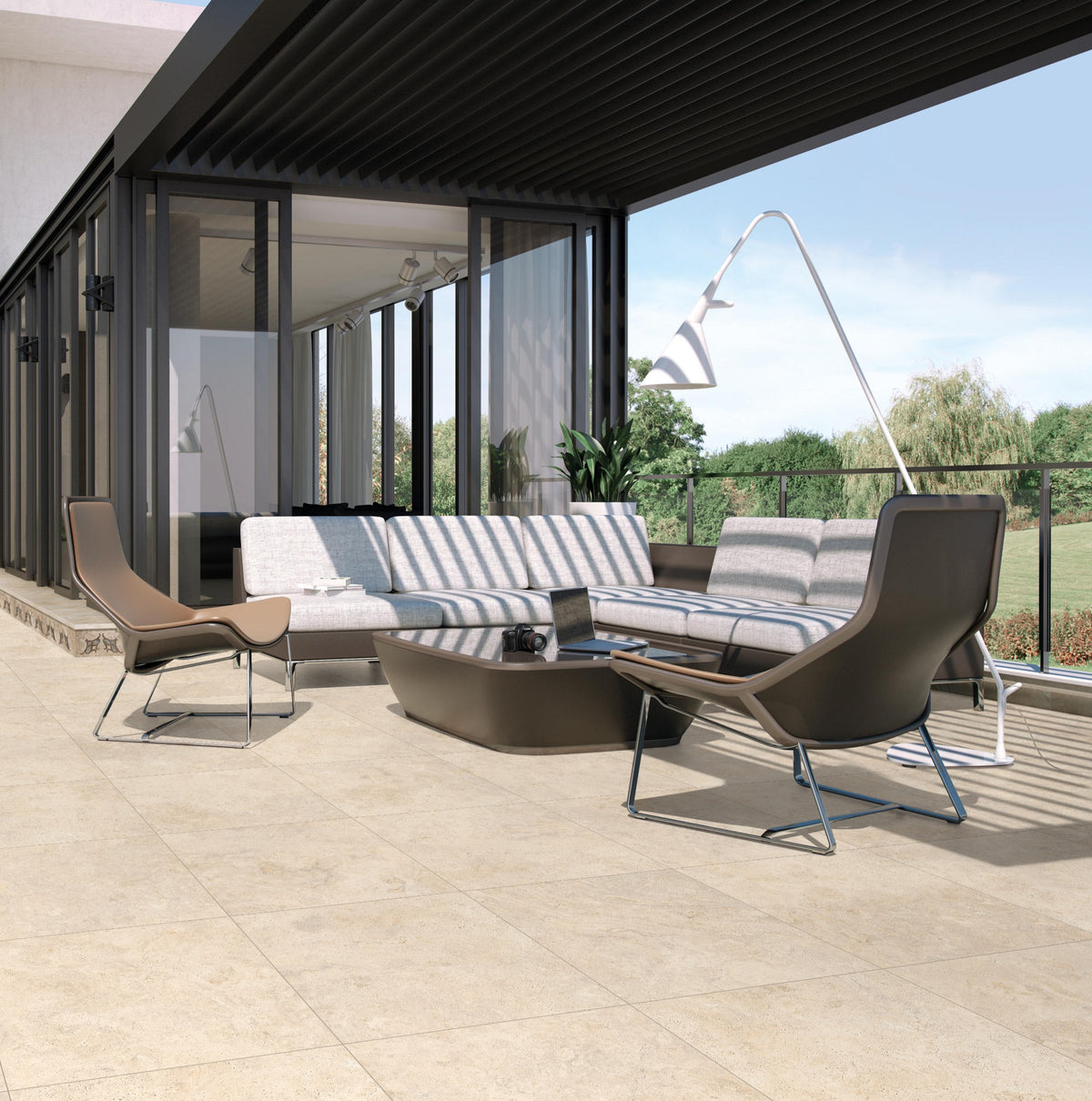
  • Precious Travertine Paver 600 x 600 x 20 mm with Precious Travertine Bullnose 368 x 600 x 20 mm, for a warm travertine look.
  • Kavala Stone Look Porcelain Paver 600 x 600 mm with the Kavala Bullnose 400 x 600 mm.
  • Norrock Series Paver for a natural stone look.

Natural stone pavers

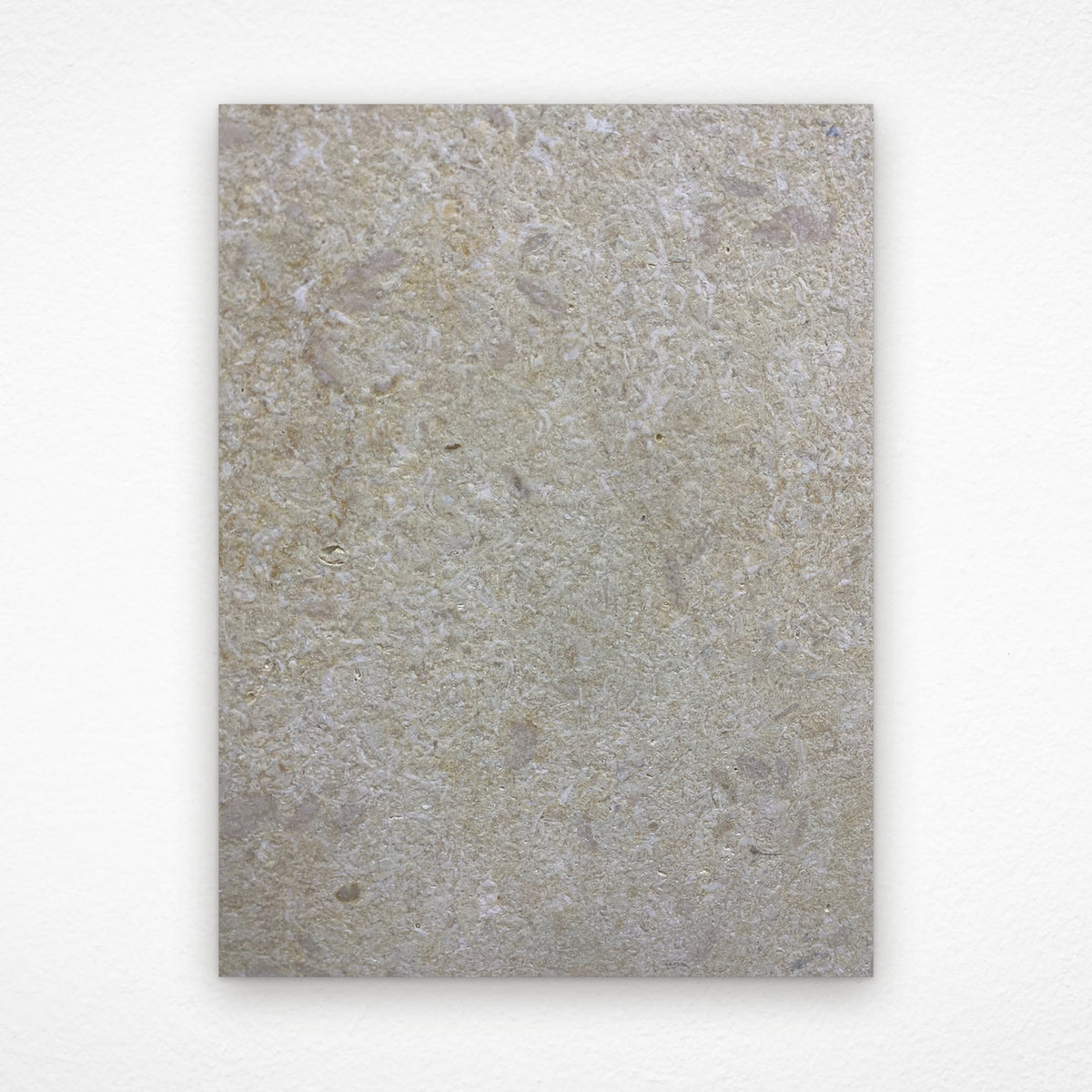
For the real thing, choose natural marble or limestone: Atlantic Grey Anti-Slip Marble, Glacier Anti-Slip Marble, Seagrass Flamed & Tumbled Marble, Pearl Grey Tumbled and Sandblasted Marble and Sienna Earth Limestone. Most come in 610 x 406 mm, in thicknesses from 12 mm to 30 mm, with a 30 mm bullnose option. Flamed, tumbled and sandblasted finishes roughen the surface for grip, and every piece has its own veining. Natural stone should be sealed. See natural stone and tile sealers.

12 mm or 30 mm?

Thinner 12 mm stone is glued to a concrete slab like a tile, which suits patios and balconies where height is limited. Thicker 30 mm stone is stronger and is the usual choice for pool coping, step treads and edges that overhang. Porcelain coping at 20 mm sits in between and gives a matching edge to porcelain pavers.

Coping and bullnose explained

Pool coping is the edge that caps the top of the pool wall. A bullnose has a rounded front edge, which is comfortable to sit on and kinder to bare feet. The same pieces finish steps, raised garden beds and patio edges. Match the coping to the paver for a continuous look, or contrast it to frame the pool.

Where to use them

Use them on patios and paths (see patio tiles and path tiles), around the pool (see pool tiles), and on driveways where the slab is designed for cars (see driveway tiles). For more outdoor choices, browse outdoor tiles.

FAQs

What is the difference between a paver and a tile?

A paver is thicker and stronger than a standard tile and is made for outdoor floors. Porcelain pavers are commonly 20 mm thick and can be laid on a slab or a compacted base. Standard tiles must be glued to a solid slab.

Should I choose porcelain or natural stone pavers?

Porcelain pavers need no sealing, keep a consistent colour and are easy to clean. Natural marble and limestone pavers have unique veining and a softer, aged feel, but must be sealed and resealed over time.

What is a bullnose paver?

A paver with a rounded front edge. It is used for pool coping and step treads, where a sharp square edge would be uncomfortable or unsafe.

What thickness of stone do I need for pool coping?

30 mm natural stone or a 20 mm porcelain coping piece is the usual choice for pool edges. Thinner 12 mm stone is better suited to patios and balconies, glued to a slab.

Are tumbled and sandblasted marble pavers slippery?

Tumbled, flamed and sandblasted finishes roughen the stone, which gives it grip when wet. Check the slip rating on each product page, and keep the stone sealed and clean so algae does not build up.

Planning a tiling project? Book a free design consultation — in-store or virtual — and our team will help you choose tiles for the space.

Buying for trade? Trade customers can apply for Design Tiles wholesale and reseller access.