Encaustic tiles by Design Tiles, Sydney

Encaustic

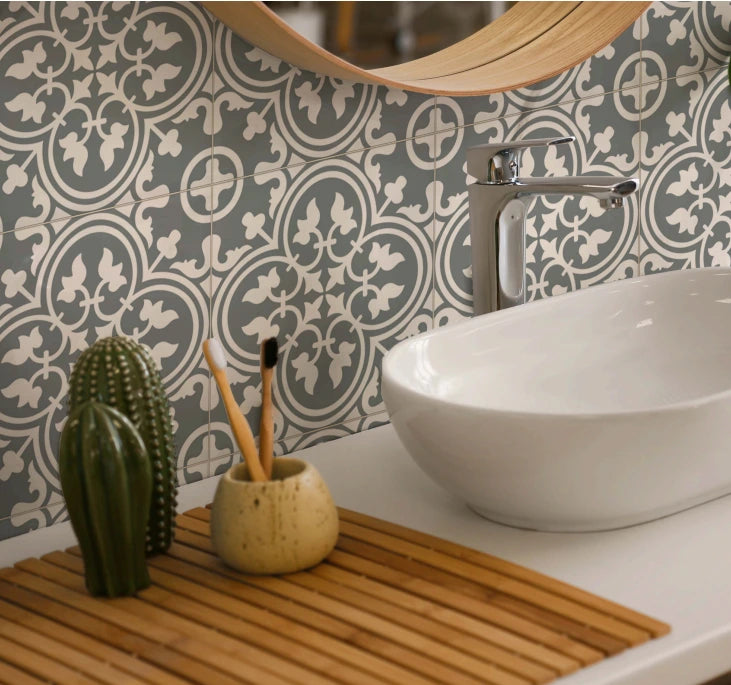
Encaustic-look patterned porcelain tiles in heritage designs, for feature floors in bathrooms, laundries, kitchens and entries, plus verandahs and paths outdoors.

Filters

Sort by:

Encaustic-look patterned porcelain tiles in heritage designs, for feature floors in bathrooms, laundries, kitchens and entries, plus verandahs and paths outdoors.

Encaustic tiles explained

Traditional encaustic tiles are made from cement, with coloured pigment pressed into the surface to form the pattern. They were popular in Victorian and Federation homes for hallways and verandahs. Encaustic-look tiles reproduce those patterns in porcelain, which is harder-wearing, needs no sealing and keeps its colour.

This is a small, focused collection of porcelain encaustic looks:

  • Kenthurst: an encaustic look patterned floor and wall tile at 300 x 300 mm.
  • Dural: a decorative porcelain tile at 300 x 300 mm for floors and walls.
  • Federation Series: heritage-inspired floor and wall tiles.

Pattern and colour names in the range include Oxford, York, Harrogate, Kendal, Blakeney and Canterbury, and colourways such as Blue Gum, Eucalypt, Cotto, Dune and Monument. Colours run from black and white to terracotta, blue, green, grey and sage.

Where to use patterned tiles

Encaustic tiles work best where the pattern can be seen as a whole:

  • A laundry or powder room floor, laid wall to wall.
  • A rug effect in an entry, framed by a plain border.
  • A kitchen splashback or a feature panel behind a vanity.
  • A verandah or front path, using a tile rated for outdoor use.

All three ranges are square, and the slip ratings sit at P3 and P4, so check each tile before using it in a shower or outdoors. See outdoor tiles for more exterior options.

Planning a pattern

Patterned floors need a little extra planning. Dry-lay a few square metres first to check how the design repeats, and decide whether to rotate tiles for a different effect. Start from the centre of the room so cuts are even at the edges. A plain black tile or terracotta border can frame the pattern neatly.

For more statement surfaces, see feature tiles, Moroccan tiles and our laundry tiles. Our designers can help with layout at a free design consultation.

FAQs

What is the difference between encaustic and encaustic look tiles?

Real encaustic tiles are cement, with the pattern made from coloured cement inlaid into the surface. Encaustic look tiles are porcelain with the pattern printed in. The porcelain version is harder, lighter and does not need sealing.

Do patterned porcelain tiles need sealing?

No. Porcelain encaustic look tiles absorb very little water and do not need sealing. Genuine cement encaustic tiles do need sealing, which is one reason many people choose porcelain.

How do I lay a patterned tile floor?

Lay tiles out dry first to see how the pattern repeats, and start from the centre of the room so cuts at the walls are even. Some patterns change when you rotate the tile, so agree on the layout with your tiler before fixing.

Can encaustic look tiles be used on a verandah?

Yes, if the tile is rated for outdoor use. Check the slip rating and Room details on the product page. A P4 tile gives more grip where the area gets wet.

Planning a tiling project? Book a free design consultation — in-store or virtual — and our team will help you choose tiles for the space.

Buying for trade? Trade customers can apply for Design Tiles wholesale and reseller access.