Moroccan Tiles by Design Tiles, Sydney

Moroccan Tiles

Handmade Moroccan zellige tiles, including the Bejmat brick shape and a Honeycomb hexagon, in light blue, teal, terracotta, olive and white for splashbacks, bathroom walls and features.

Filters

Sort by:

4 products

Save 10%
Zellige Moroccan Square Handmade Tiles Sale price$259.00 /m² Regular price$287.00
Save 10%
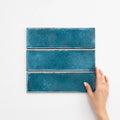
Zellige Bejmat Moroccan Handmade Tiles Sale price$259.00 /m² Regular price$287.00
Save 10%
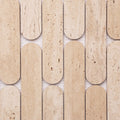
Zellige Honeycomb Moroccan Handmade Tiles Sale price$356.00 /m² Regular price$396.00
Save 10%
Zellige Square 50 x 50 mm Moroccan Handmade Tiles Sale price$396.00 /m² Regular price$440.00

Handmade Moroccan zellige tiles, including the Bejmat brick shape and a Honeycomb hexagon, in light blue, teal, terracotta, olive and white for splashbacks, bathroom walls and features.

What is zellige?

Zellige is a traditional Moroccan tile made from clay, shaped and glazed by hand. The glaze collects unevenly, so every tile has its own shade, small pits and slightly uneven edges. Laid together, they create a wall full of movement and light that a machine-made tile cannot copy. The glossy, uneven face reflects light differently through the day, so a splashback looks soft in the morning and richer under evening lamps.

Our Moroccan range

  • Zellige Bejmat: a rectangular brick shape, laid like a subway tile or in a vertical stack. It suits splashbacks and shower walls.
  • Zellige Honeycomb: a hexagon shape for a softer, geometric feature wall.

Both are handmade Moroccan tiles, in colours such as light blue, teal, terracotta, olive and snow white.

Living with handmade tiles

Handmade zellige is not uniform, and that is the reason to choose it. Expect:

  • shade variation between tiles and boxes;
  • uneven edges and small chips;
  • a surface that is not perfectly flat, which catches the light.

Mix tiles from several boxes as you lay them. Ask your tiler to use narrow grout joints and allow for the irregular edges. Many installers seal zellige before grouting to protect the exposed clay from grout stains. These are wall tiles, so keep them off floors.

Where to use Moroccan tiles

  • A kitchen splashback in light blue or terracotta.
  • A shower wall in teal or white.
  • A powder room or laundry feature.
  • A niche or the wall behind a vanity.

Pair them with plain floors so the wall stays the focus. See the wider range in zellige tiles and handmade tiles, or colour-match with terracotta tiles and blue tiles. The Bejmat shape also sits well beside subway tiles. Need help planning? Book a free design consultation, in-store at Rockdale or online.

FAQs

Can Moroccan zellige be used in a shower?

Yes, glazed zellige works on shower walls. The clay body is porous, so seal the tiles, use a quality grout and keep the room well ventilated. Keep zellige to walls rather than the shower floor.

Why do zellige tiles have chips and uneven edges?

They are shaped and glazed by hand, so small chips, pits and uneven edges are normal. These marks are part of the handmade look and are not defects.

What grout works with zellige?

A grout close to the tile colour, laid in narrow joints, lets the glaze be the focus. Many tilers use a sanded grout to fill the uneven edges. Seal the tiles first so grout does not stain the exposed clay.

What is the difference between Bejmat and Honeycomb zellige?

Bejmat is a small rectangle laid like a subway or brick tile. Honeycomb is a hexagon that creates a softer, geometric pattern. Both have the same handmade glaze and colour variation.

Planning a tiling project? Book a free design consultation — in-store or virtual — and our team will help you choose tiles for the space.

Buying for trade? Trade customers can apply for Design Tiles wholesale and reseller access.